
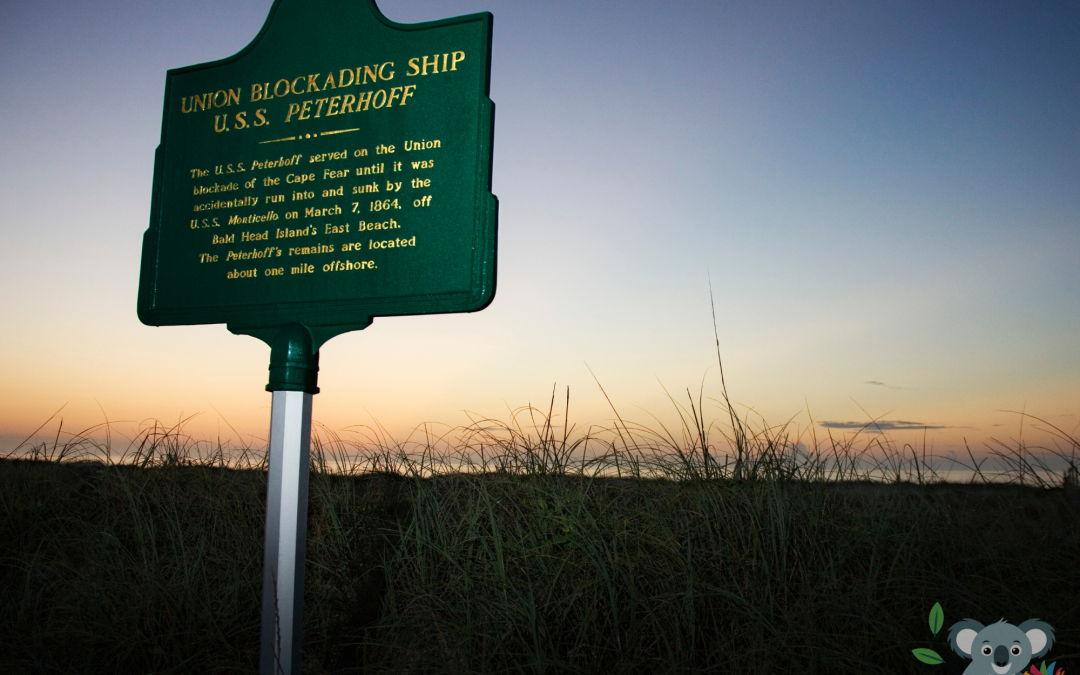
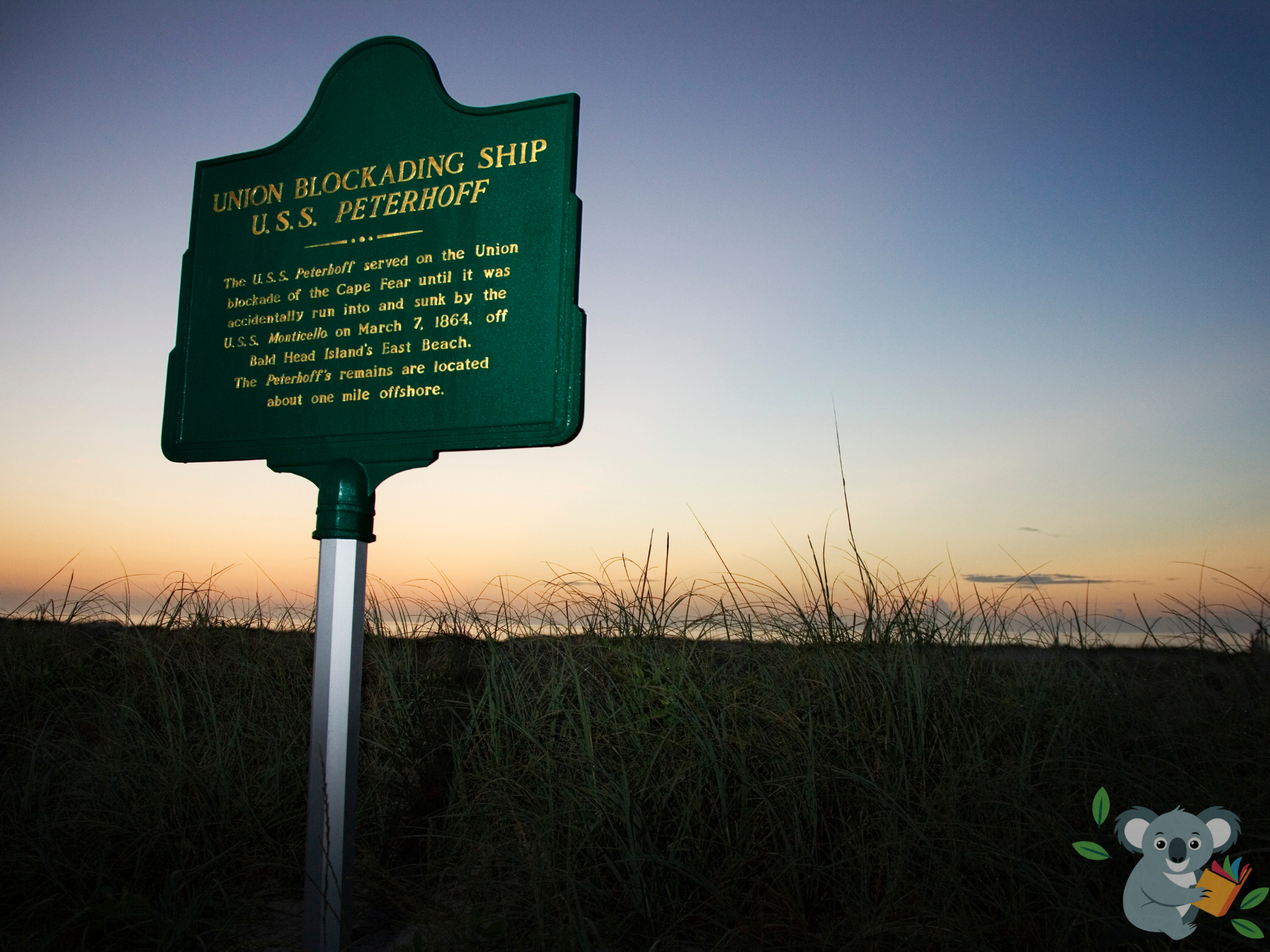
Growing up, family road trips had one very predictable feature. My dad read every historical marker. Actually, let me rephrase that. He made all of us read every historical marker.
We would be driving down a country road when suddenly he’d pull over and say, “Let’s see what happened here.” As a child, I wasn’t always thrilled about the diversions.
I wanted to get to our destination. I wanted snacks. I wanted to know how much longer until we arrived. But Dad had a standard response whenever we groaned. “We may never be back here.” And so we read the marker.
Every. Single. Time.
At the time, I thought he was simply slowing down our trip. Now I realize he was teaching me something far more valuable. He was teaching me to be curious. He was teaching me that every place has a story. He was teaching me that history isn’t something trapped inside a textbook. It’s all around us.
Those little roadside signs became invitations to wonder.
- Who lived here?
- What happened in this place?
- How did their story shape ours?
The funny thing is that my dad’s habit stuck. Completely.
A few years ago, Brandon and I visited the World Trade Center Museum in New York City. We had an entire day planned. We were going to see everything. Well…that was the plan.
Several hours later, we realized we had only made it through the first half of the museum. Not because it was crowded. Not because we were tired. Because we kept stopping to read every sign. Every exhibit. Every explanation. Every story. There were so many.
We became so fascinated with the history of the buildings themselves—the vision, the construction, the people behind them—that we never even made it to the second half of the museum before it closed.
As we walked out, laughing at ourselves, I suddenly thought of my dad. There I was, still reading every sign. Still slowing down long enough to ask questions. Still wanting to know the story behind the story.
And honestly? I think that’s exactly what good history does. History isn’t merely about memorizing dates and facts. It’s about learning to see people. Real people.
People who loved, struggled, sacrificed, built, failed, persevered, and trusted God through circumstances that often looked very different from our own.
That’s one of the things I love most about homeschooling. We have the freedom to help our children see history as a story rather than a list. We can listen to history while driving across the country. We can visit museums. We can stop at historical markers. We can ask questions. We can wonder together. And perhaps most importantly, we can teach our children that the world is full of stories waiting to be discovered.
This summer, as your family travels, I want to encourage you to slow down once in a while.
- Pull over for the historical marker.
- Read the plaque at the museum.
- Ask what happened there.
- Who was involved?
You never know what conversation it might spark.
And who knows? Someday your children may find themselves standing in a museum, reading every sign in sight, smiling as they realize that curiosity became a part of who they are.
Just like their mama.
And just like their grandfather.
After all, you may never be back here…